
What Causes Cracks in Walls (and When to Worry)
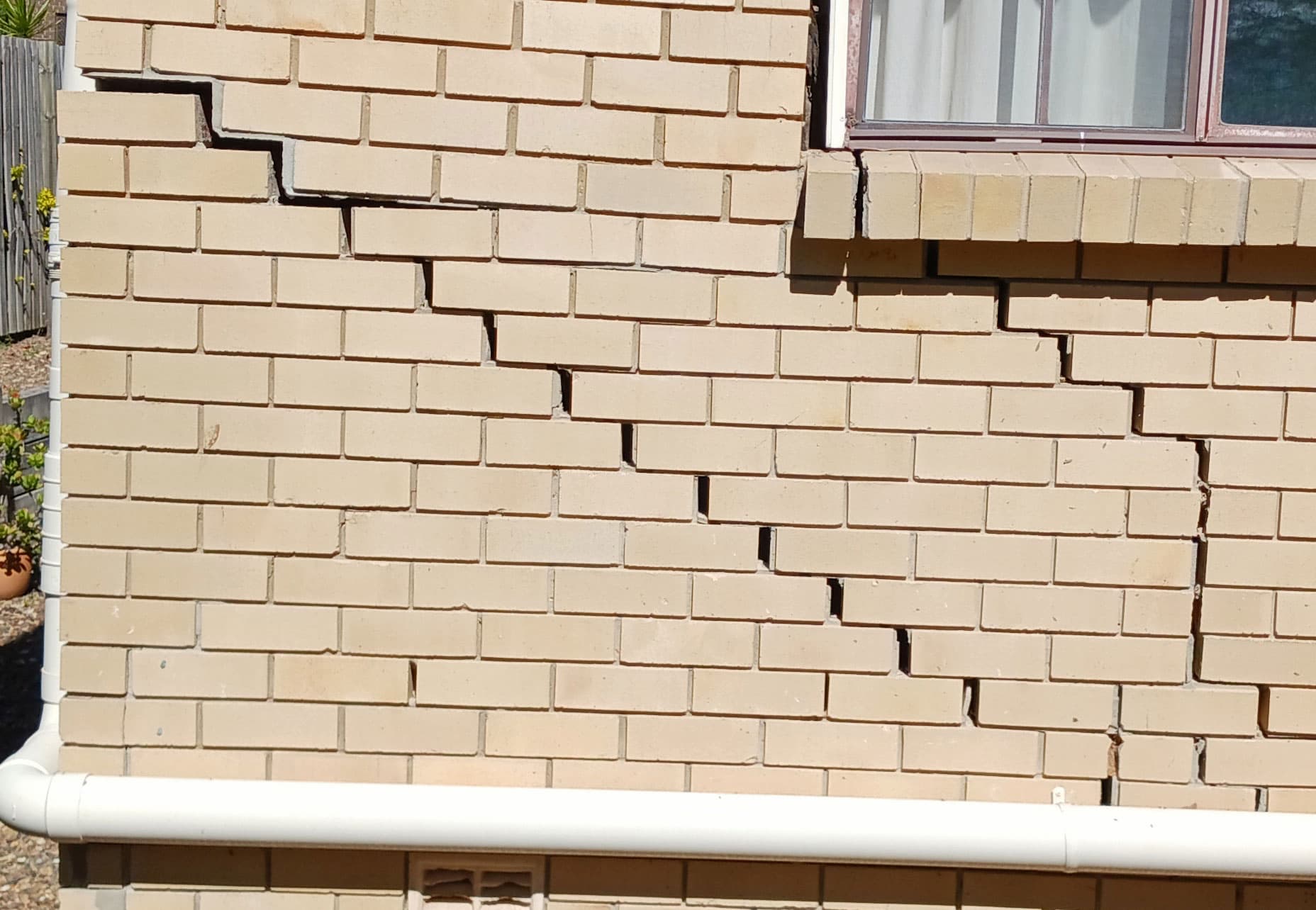
Cracks in walls are a common concern for homeowners. Some cracks are harmless, while others may be early warning signs of foundation problems. Knowing the difference can help you protect your home and avoid costly repairs.
At Foundation Solutions, we specialise in diagnosing and repairing wall cracks caused by foundation movement. Here’s what you need to know about why cracks appear, when to worry, and how to fix them properly.
Common Causes of Wall Cracks
- Natural Settlement
All homes experience some degree of settlement. Hairline cracks less than 1–2mm wide are often caused by natural settling and are usually nothing to worry about. - Soil Movement
Australia’s reactive clay soils expand when wet and shrink when dry. This movement can place pressure on your foundation, causing cracks in brick walls, plaster, and ceilings. - Poor Drainage
Excess water around your home can soften soil, while tree roots searching for moisture can dry it out. Both conditions create instability, leading to foundation movement and wall cracks. - Seasonal Climate Changes
Heavy rain, drought, and heatwaves affect soil and building materials. Over time, this can create visible cracking in walls and floors. - Structural Foundation Issues
When cracks continue to widen, reappear after patching, or run diagonally from doors and windows, it’s often a sign of subsidence or foundation failure.
When to Worry About Cracks in Walls
Not all cracks require immediate action, but you should contact a foundation repair expert if you notice:
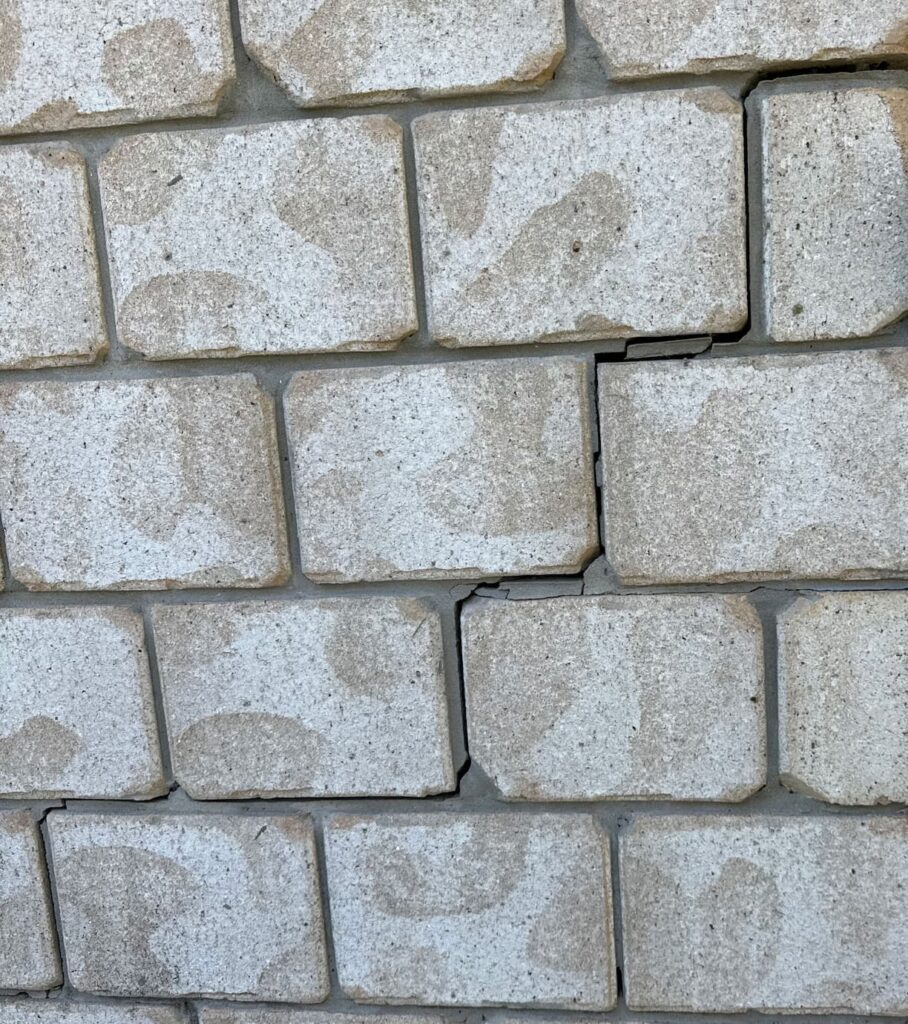
- Cracks wider than 5mm or growing in size.
- Diagonal cracks around windows or doors.
- Doors or windows that stick or won’t close properly.
- Uneven or sloping floors.
- Gaps between walls, ceilings, or skirting boards.
These are signs your home may need underpinning or other foundation repair solutions.
Why Resin Injection Isn’t a Permanent Fix
Resin injection is often promoted as a quick and cheap fix for wall cracks. But here’s the reality:
- Resin doesn’t stop soil from moving.
- It can shrink, wash out, or lose strength over time.
- Many homeowners end up with the same cracks reappearing.
- Not covered under the QBCC Home Warranty Scheme
- Not Engineered Design and or Certified by an RPEQ
The only proven long-term solution is addressing the foundation itself. At Foundation Solutions, we use screw pile underpinning methods that strengthen your home from the ground up, ensuring stability and peace of mind.
Learn More with Foundation Solutions
We’ve created free resources to help you understand and manage cracks in your home:
- Explore our blog library for guides on foundation repair, underpinning, and wall crack solutions.
- Watch our YouTube videos to see real-life examples of foundation repairs in Australian homes.
And remember — nothing replaces expert advice. That’s why we offer complimentary site inspection to assess your home and recommend the right solution.
Your home deserves more than a patch. Choose a solution that lasts.